The Museum Park

A Collection of Architectural Rooms Caen, France

A Collection of Architectural Rooms

Caen, France

The Museum Park

Cultural
2026
Find out more

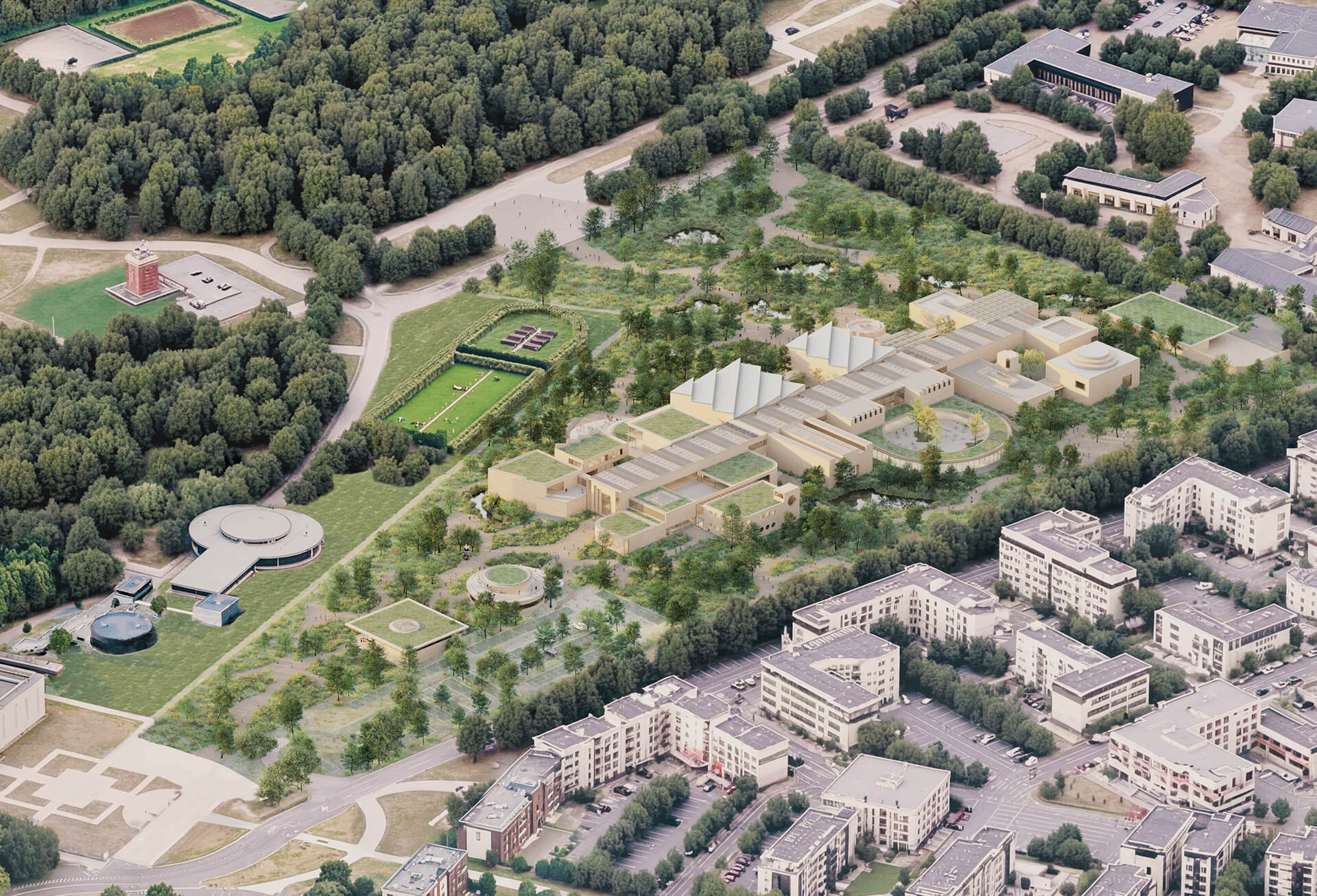
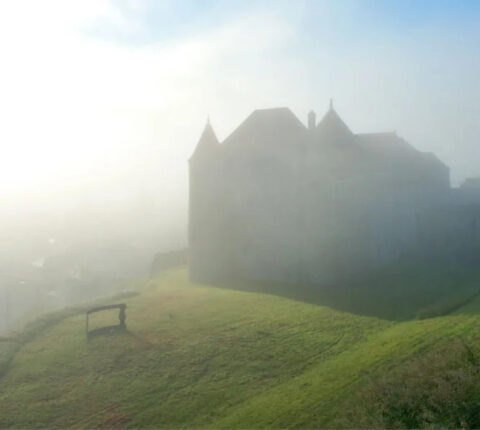
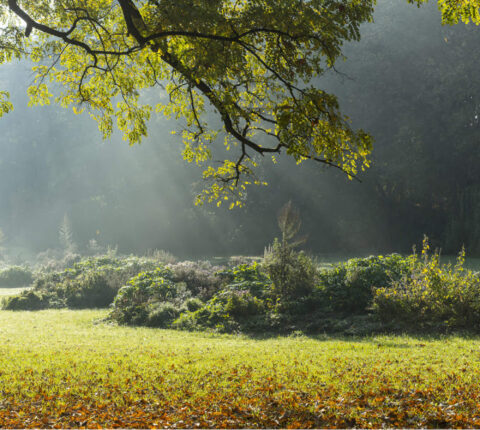
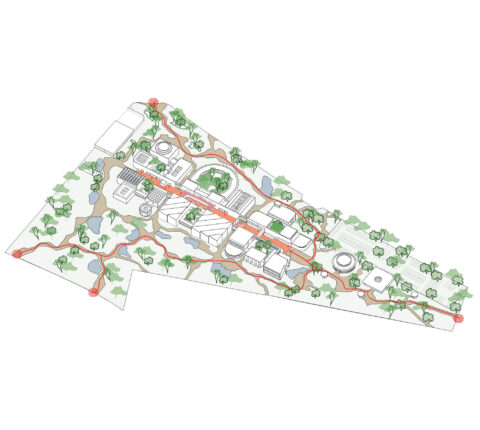
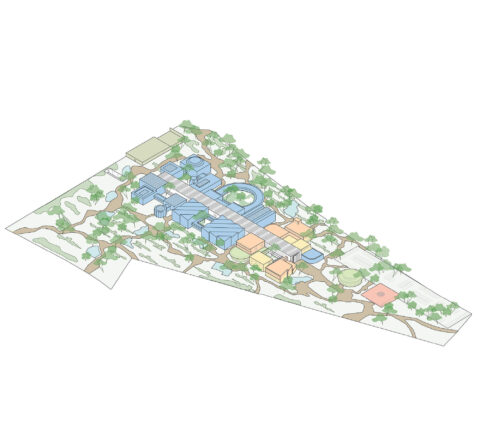
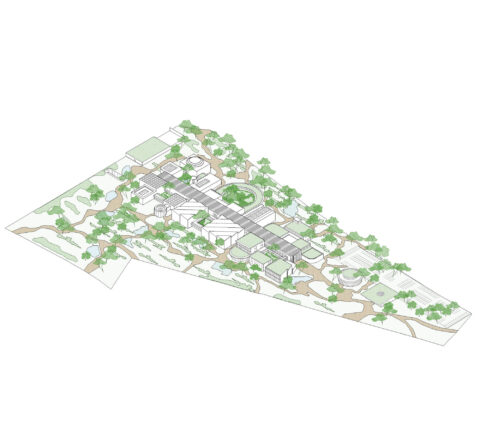
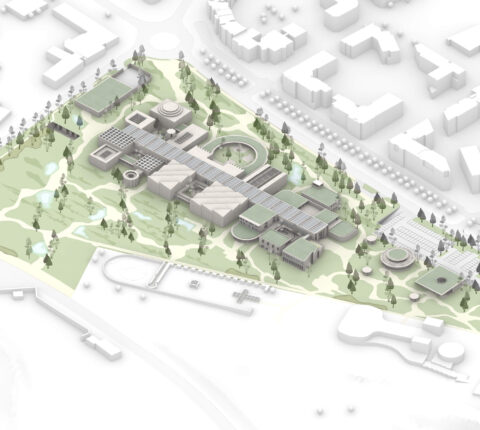
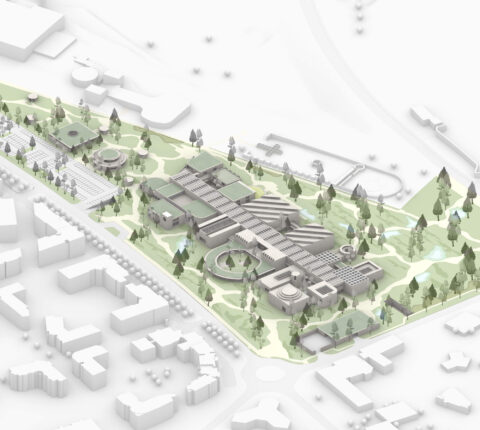
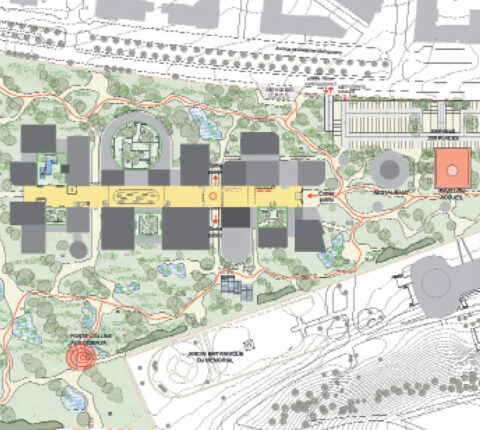
The Museum site is structured around three major anchors: the Memorial to the East, the Colline aux Oiseaux to the South, and the connection to the city of Caen via the tramway to the North. The site — a vast open lawn in seamless continuity with the surrounding gardens — offers the museum an expansive horizon. The project enhances this configuration through the concept of a Museum Park.

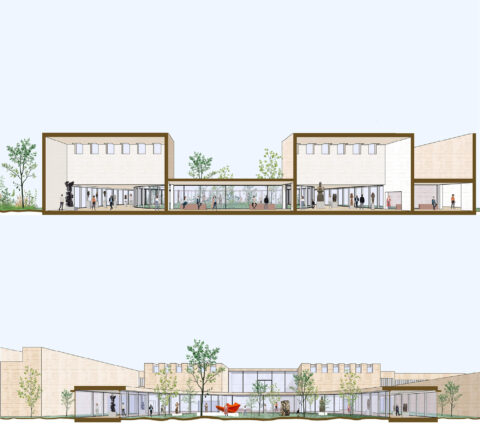
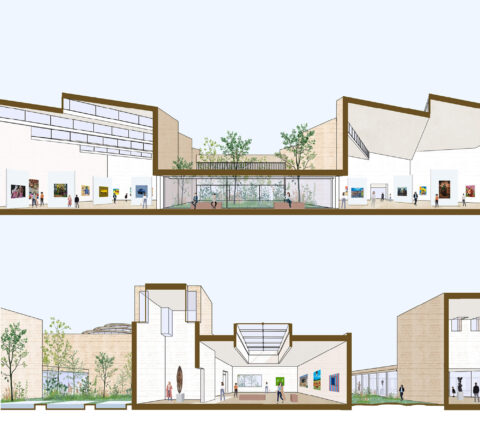
The diversity of scales and typologies, combined with the presence of gardens visible from the park, creates a convivial reading of a Museum Village, fostering porosity and cross-views between architecture and nature.
The museum entrance is located near the Memorial and connected to the site’s strategic access points.
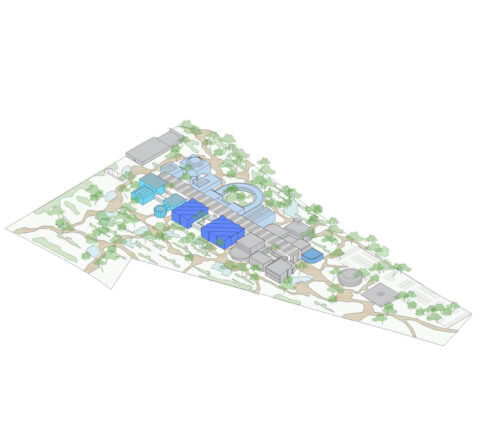
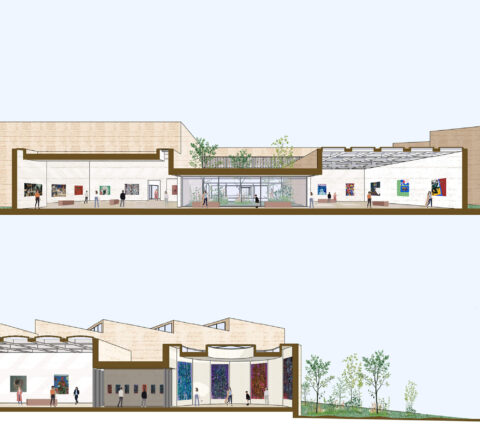
The programme is developed entirely on the ground floor, with the exception of the offices on the first level and the storage areas in the basement.

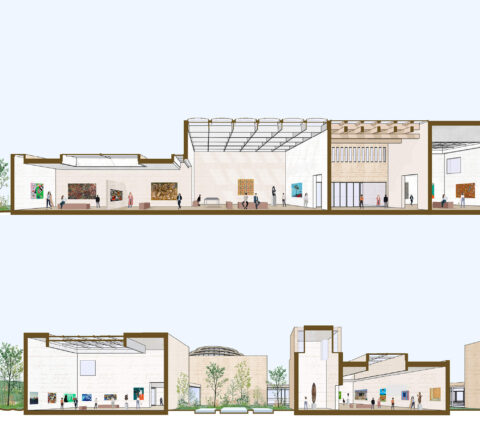
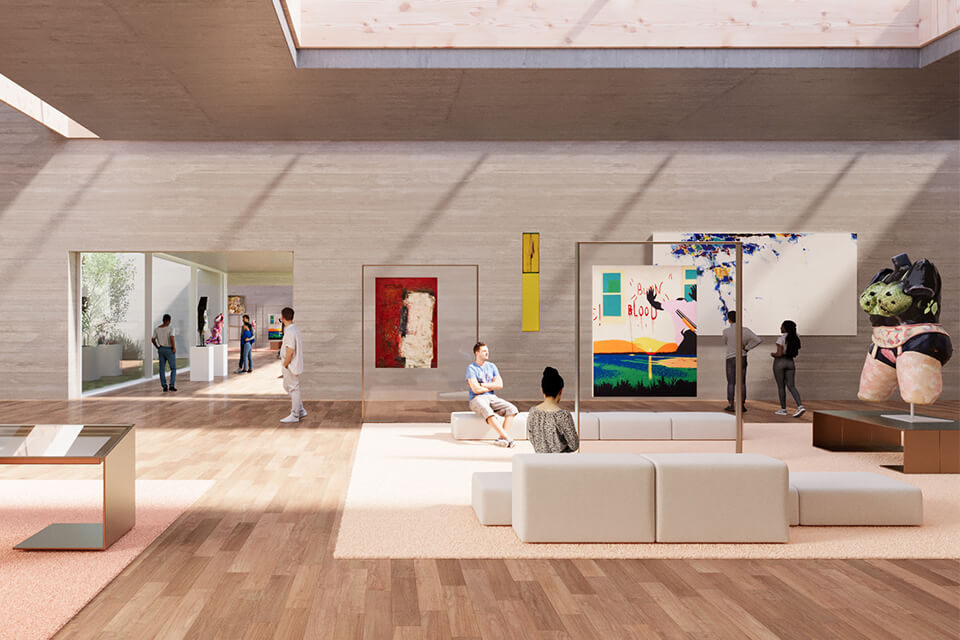
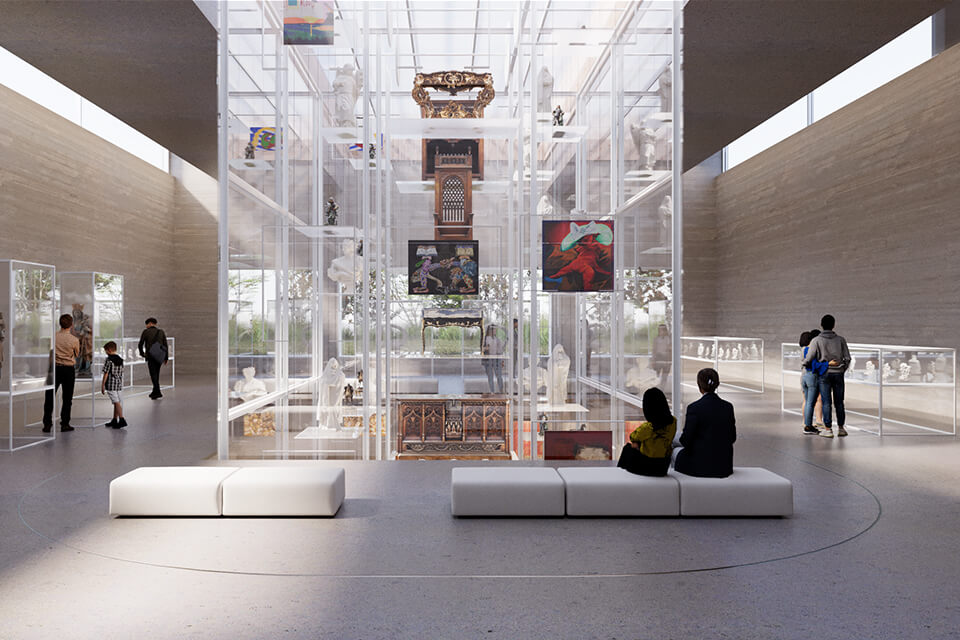
From the northern edge of the park, the museum’s galleries unfold as a rich and varied ensemble of spatial typologies and atmospheres, each offering a distinct way of engaging with art.
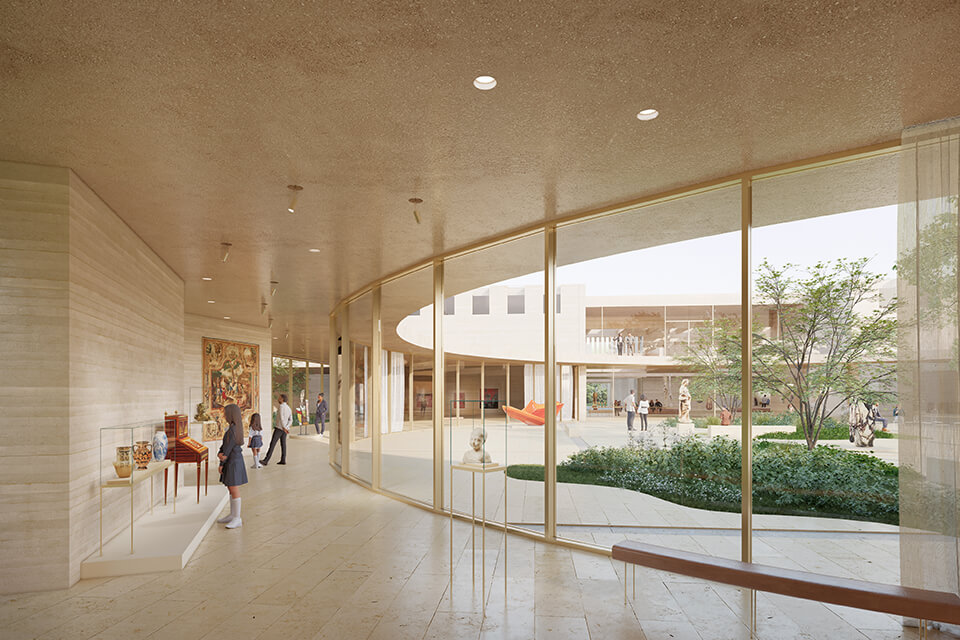
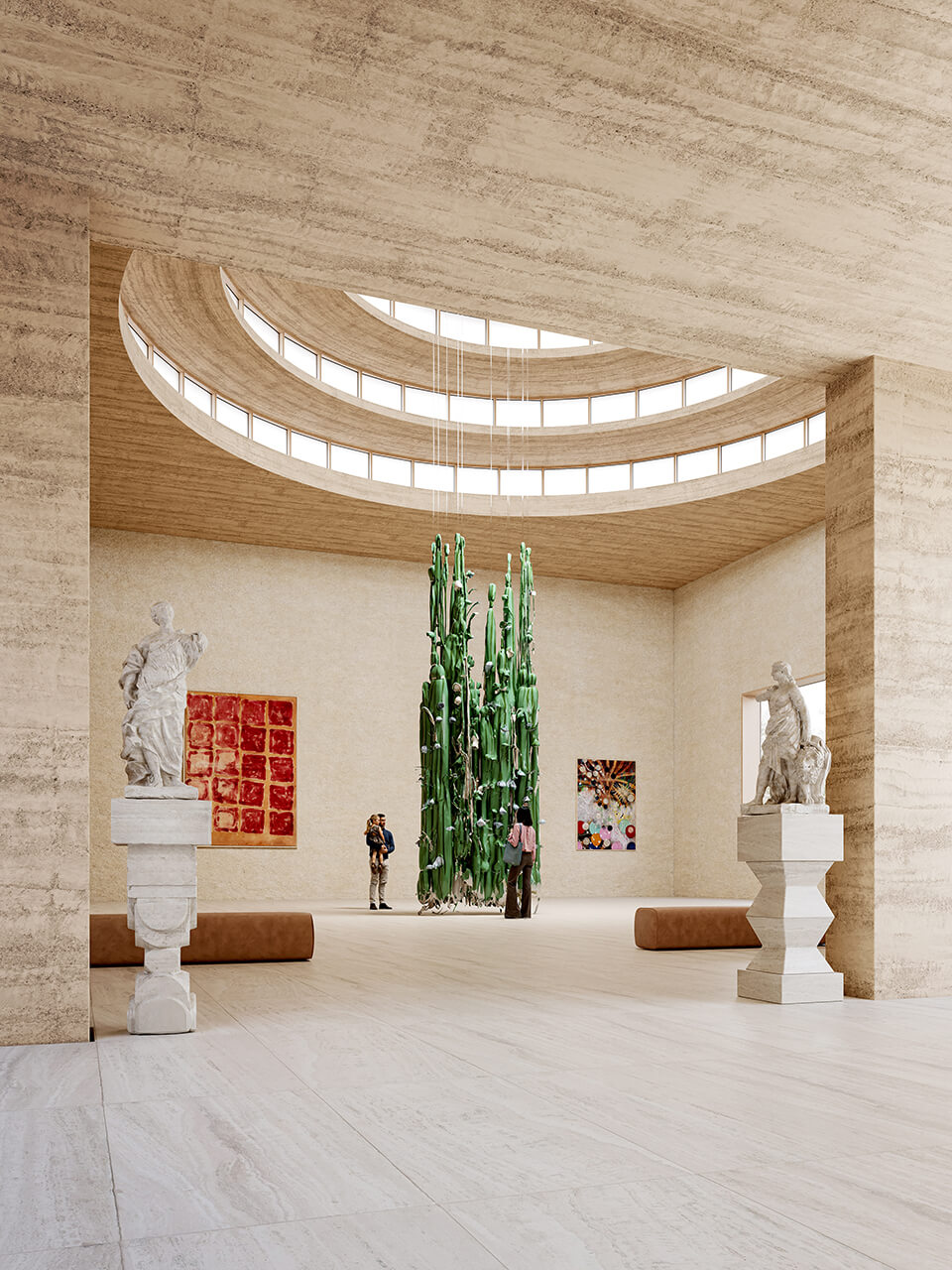
Together, they form a landscape of architectural rooms of differing scales in dialogue with the park — ranging from intimate cabinets of curiosities to garden-facing galleries such as the sculpture garden rotunda, visible from the park.
The cluster organisation provides a clear reading of the galleries and offers a diversity of museographic atmospheres arranged around thematic gardens.

The Valley of the Arts and Its Living Clusters Where Architecture and Nature Enter Into Osmosis

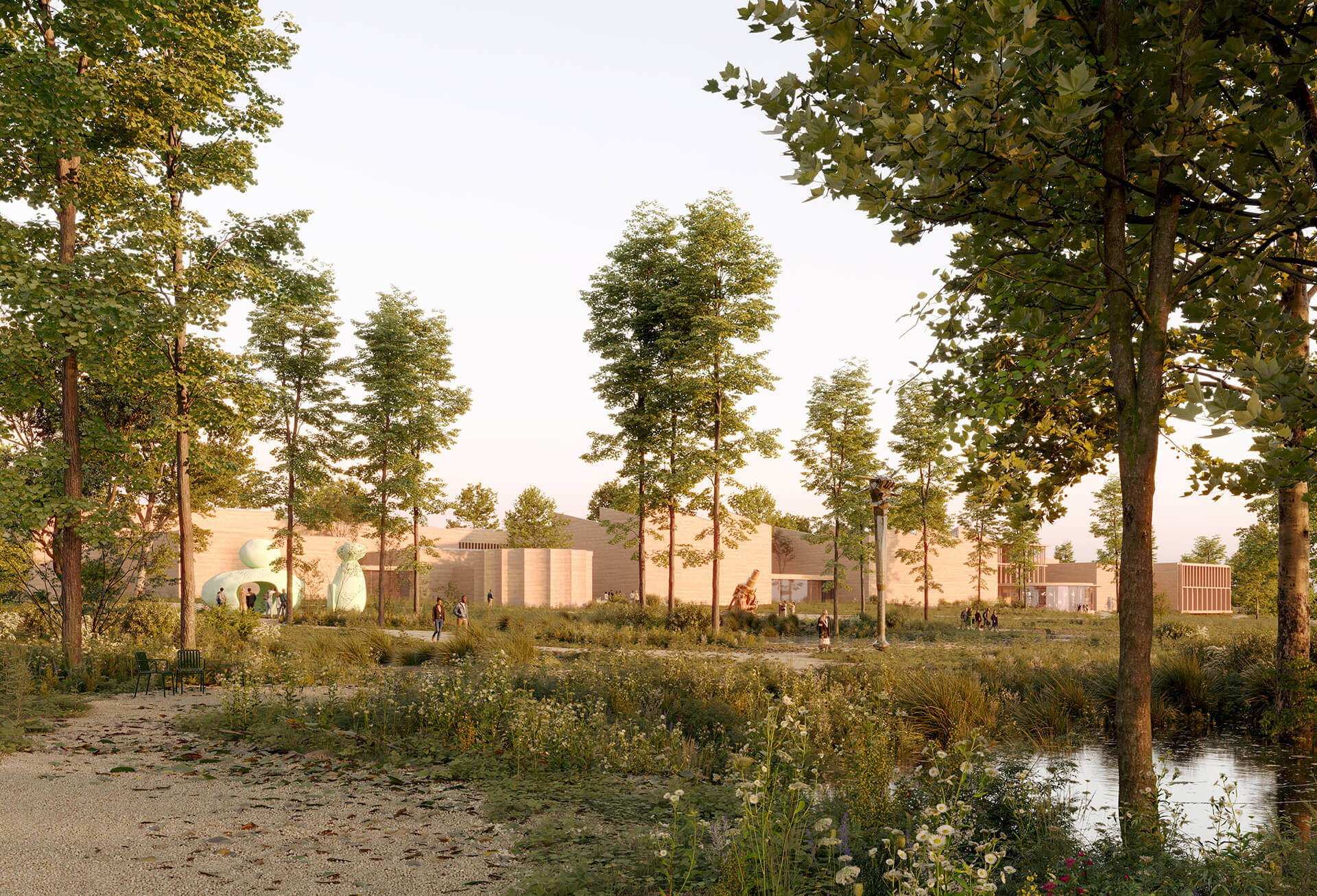
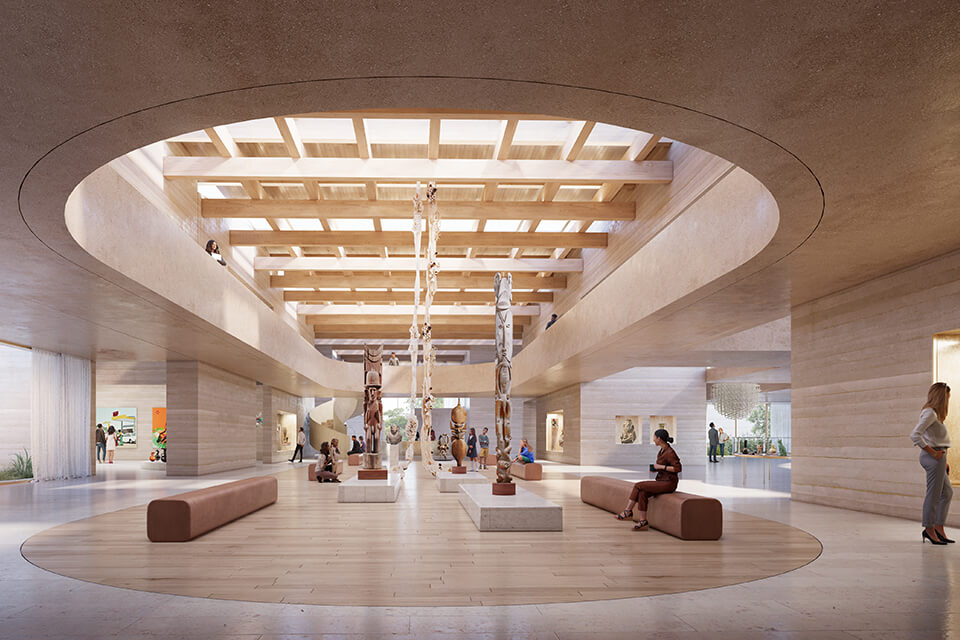
The materiality of the buildings is intentionally homogeneous, reinforcing the identity of the Museum through an envelope of insulated precast walls clad in natural ochre-tinted clay concrete — hand-rammed for texture and depth.
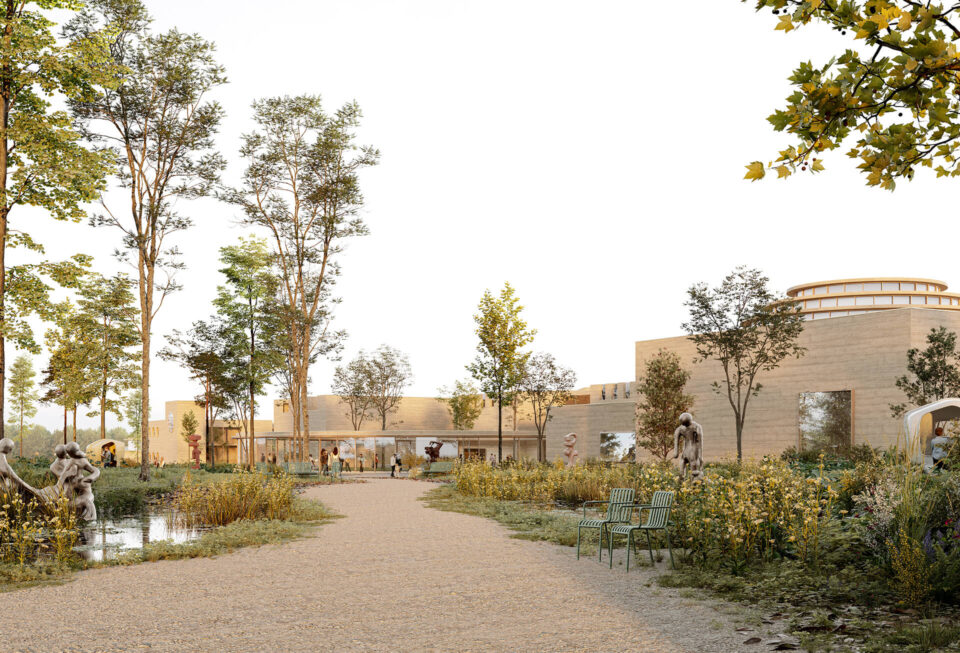
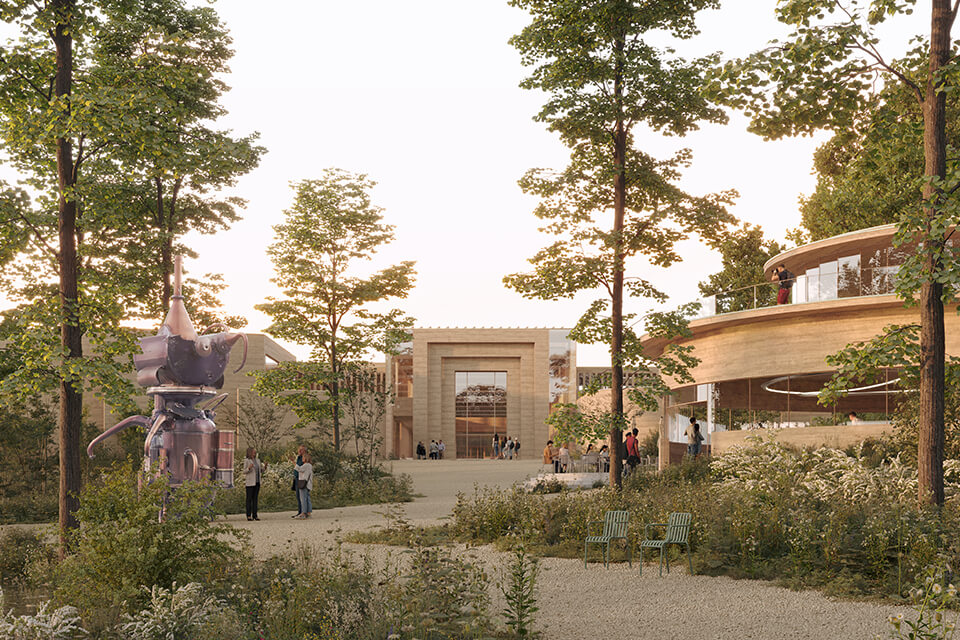
The exterior landscaped pathways structure the perspectives toward the park, frame the views, and invite visitors to wander among sculptures and water features before entering the museum.

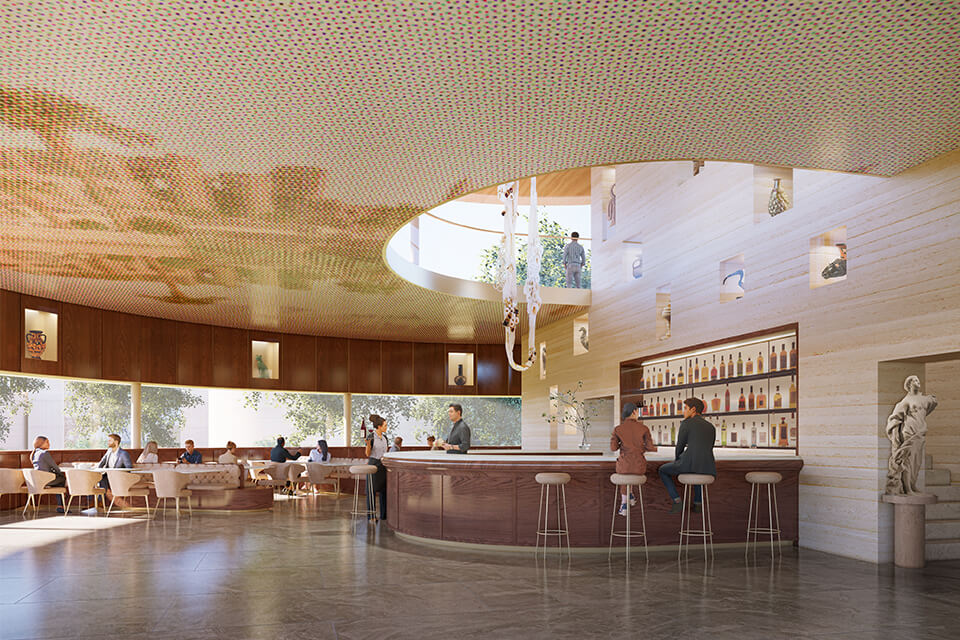
Art is Everywhere: the museum’s fine-dining restaurant is conceived as both a culinary and artistic experience.
It is arranged as a double-height space, with a south-facing tea lounge on the upper level that opens onto a panoramic terrace.
We integrated display cases directly into the thickness of the walls to showcase artworks from the collection.

Resonance with the Norman Landscape and the Artistic Content of the Collection

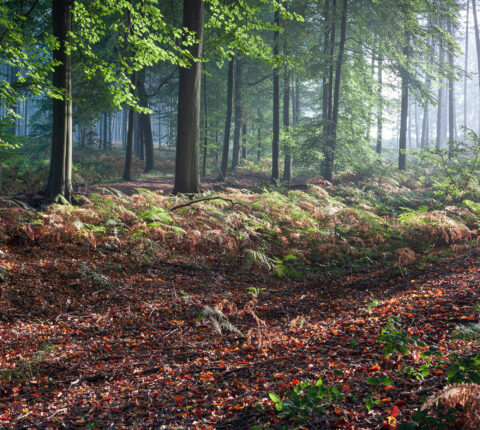
The landscape project of the Museum emerges from a sensitive reading of both the collection and the site’s context, extending naturally the spirit of the Colline aux Oiseaux.
It is composed of a succession of planted rooms and open spaces forming a rich landscape mosaic.
Vegetal structures shape a series of varied sequences — clearings, pathways, meeting places and settings for artistic events — as well as subtle depressions dedicated to rainwater collection.
They frame and filter views without ever enclosing or fragmenting the spaces, ensuring a seamless dialogue between nature, art and architecture.

Bioclimatic design guides the entire project:
natural light, North–South natural ventilation, north-facing glazed sheds for the temporary galleries, a vegetated roof, transparent circulation spaces, and double-aspect offices.
The project prioritises user comfort, energy efficiency, and a strong relationship with living systems.
The southern part of the site is intentionally left free of construction to host a remarkable biotope: planted basins, living hedges, and local species that support the reintroduction of biodiversity.

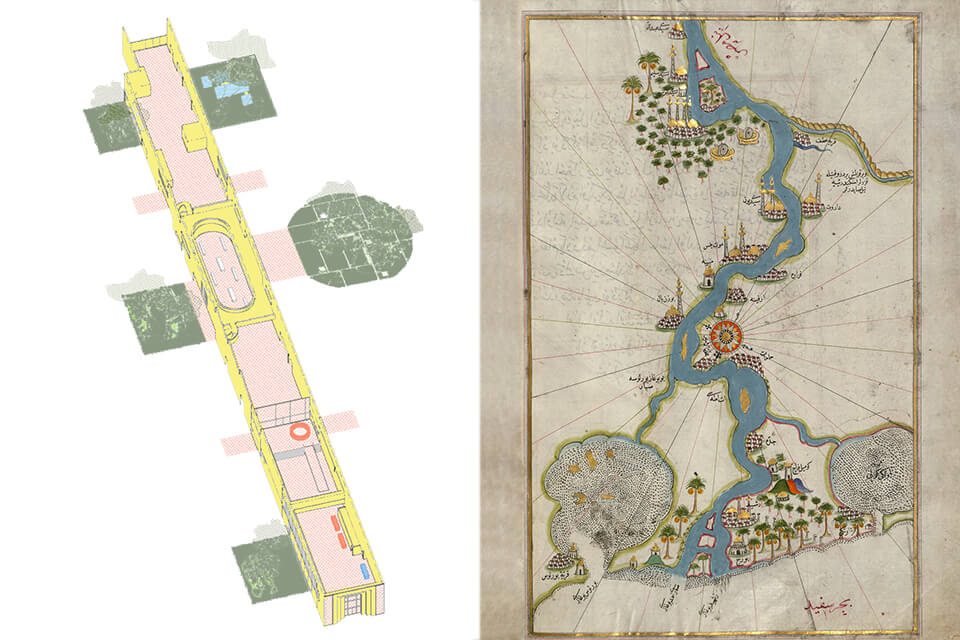
The Arts Valley: the Civic Heart of the Museum

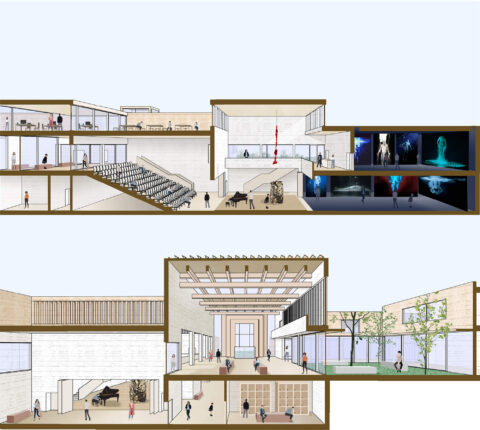
A gentle spine running through the entire ensemble of clusters, the Arts Valley embodies the idea of a museum village.
Symbolically inspired by the Nile Valley, it is a place of encounters and transmission, providing access to the cultural hubs, the workshops,
the amphitheatre, the immersion gallery, as well as the bookshop–cafeteria and the documentary spaces.
Conceived as a living biotope, naturally lit and punctuated with interior gardens, it is a generous and flexible space capable of hosting events, performances, and public gatherings.

A Constellation of Exceptional Galleries: The Rotunda and the Sculpture Garden

The Rotonda Garden Gallery embodies the idea of the gallery as a connector — a space where art inhabits the garden and the garden enters the gallery.
Here, the circular geometry, openness, and filtered daylight frame the artworks against the living landscape, offering a moment of pause and a renewed dialogue between interior space and nature.

The Icon Gallery — A Space for Pure Beauty

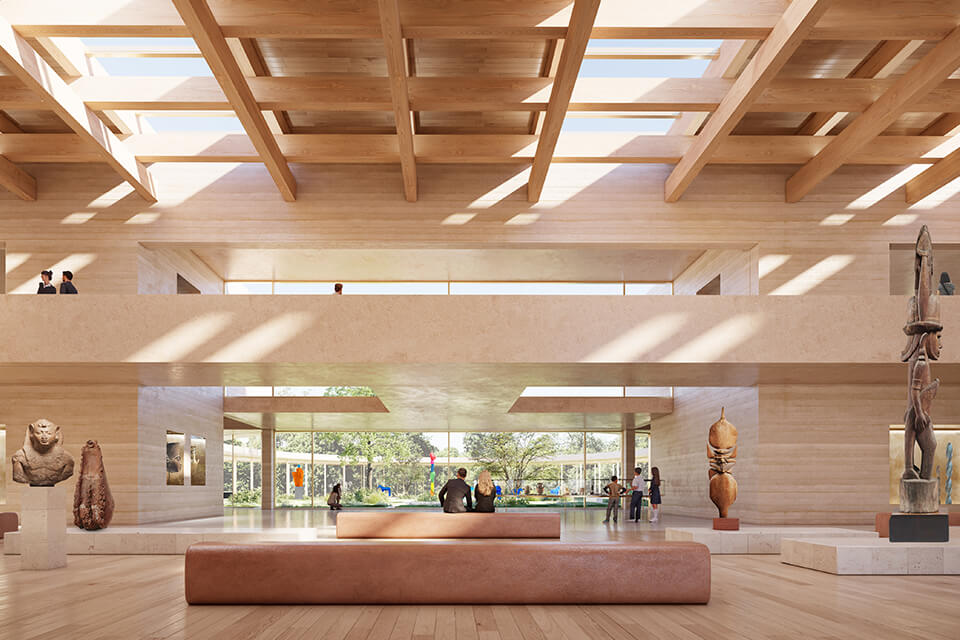
The Icon Gallery is dedicated to the pure beauty of objects.
It explores the very notion of beauty by isolating singular pieces within a vast, top-lit space.
Immersion is created through a choreographed lighting design that focuses the visitor’s attention on the brilliance of the artworks.
This is a space of contemplation, where interpretation is left entirely to the viewer.

The Gold Gallery — Dedicated to Liturgical Ornaments

The museum is conceived as a place of multiple pathways.
Rather than a single, predefined itinerary, it offers a constellation of trajectories shaped by each visitor’s interests, rhythms, and curiosity.
Everyone constructs their own narrative as they move through the galleries, the interior gardens, and the Valley.
The project offers a rich diversity of spatial experiences within singular galleries, each designed to host specific parts of the collection.

See also